
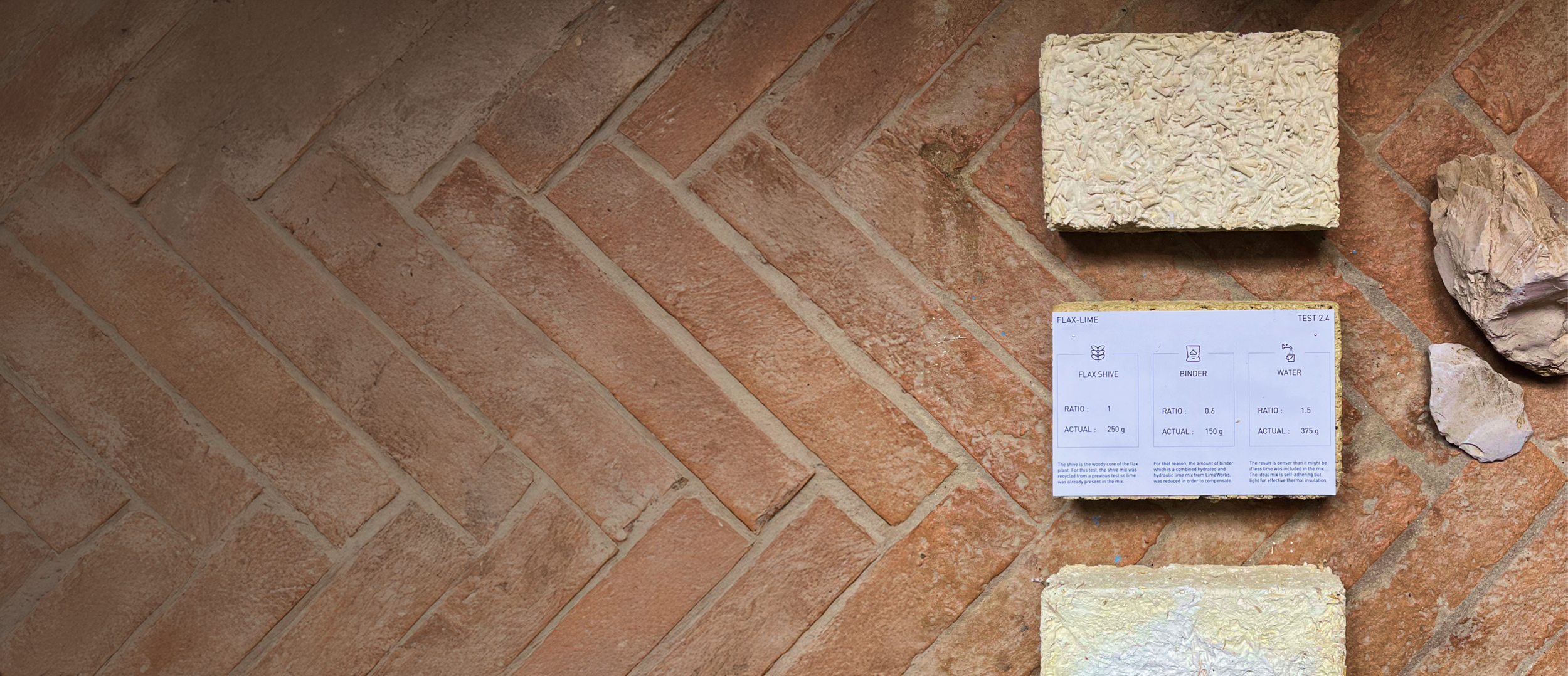
Every material carries a story - of health, climate, ecology, and community.
Healthy Materials Lab EU (HML EU) gGmbH is a nonprofit, design-led research lab based in Germany, and an official Partner of the New European Bauhaus.
Through research, education, and collaboration, we advance the transition to regenerative, non-toxic, and biobased materials in the European built environment.
Founded in 2024, HML EU gGmbH is the European sister organization to Parsons Healthy Materials Lab in New York City.
Together, we advance the global shift towards biogenic, geogenic and low-to-no-carbon building materials that are healthy for people and the planet, tailored to Europe’s diverse cultural and ecological contexts.
HML EU was co-founded by Dipl. Ing. Arch. Leila Behjat, a material ecology specialist with 19+ years of practice and research experience, DGNB Consultant, and Alison Mears AIA, an award-winning architect and an Associate Professor who co-founded Parsons Healthy Materials Lab, NY and has collaborated on community centered building projects for over 20 years.
Eliminate Toxics
We work to remove harmful chemicals from construction, creating safer spaces for people and the planet.
Accelerate Regenerative Design
By piloting biobased, circular, and regenerative materials and healthy construction methods, we help drive innovation for climate-positive construction.
Build Healthy, Equitable Communities
We partner with municipalities, NGOs, architects, and makers to design healthier spaces for all.
Funding the Work
Our work is made possible by funders and partners who recognize that healthier materials can be a catalyst for broader change.
This support allows us to investigate new questions, test ideas in practice, develop tools and strategies that connect material health with climate resilience, public health, circularity, and more equitable places. And, it makes knowledge sharing and exchange with others possible.

Climate KIC is a European climate innovation organization working to accelerate systemic change and strengthen climate resilience across cities and regions. Through its Pathways2Resilience programme, it supports local governments in developing long-term strategies and investment pathways for adaptation.
-
From Tox to Resilience (TOX2RES)
Trbovlje, Slovenia
-
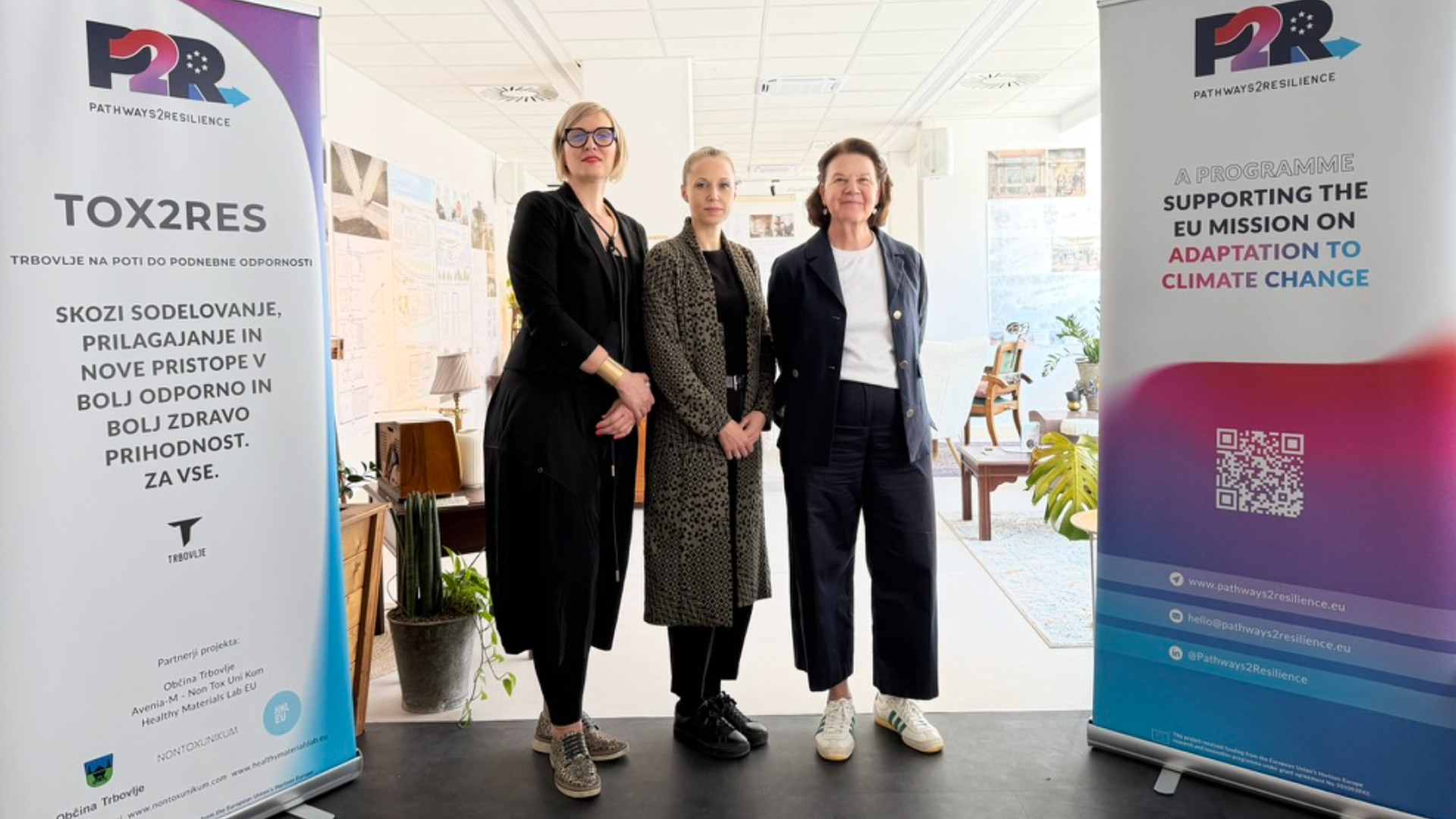
Funding supports HML EU and its partners in helping the Municipality of Trbovlje develop an integrated Climate Resilience Strategy, Action Plan, and future investment priorities.
Healthier, non-toxic materials are placed into a much larger conversation about climate adaptation - combining material research with climate-risk mapping, community engagement, spatial justice, circularity, and New European Bauhaus principles.
-
Pathways2Resilience supports European regions and communities in building their capacity to adapt to climate change. TOX2RES brings that ambition to the scale of a post-industrial municipality, exploring how decisions about materials, buildings, public space, and investment can contribute to long-term community resilience.
The Swiss Center for Design and Health is an interdisciplinary research and innovation center exploring how design can improve health and wellbeing. Its work focuses on tools to support healthier environments across healthcare and other public settings.
-
Materials for Healthcare
Switzerland
-
Support from the Swiss Center for Design and Health enables HML EU to develop a specialized Material Capsule Collection for healthcare environments with low-emission, non-toxic, biogenic, and regenerative materials.
-
The Swiss Center for Design and Health investigates how design can contribute to better health. This collaboration brings material health into that evidence-based design framework with focus on healthcare
The resulting collection is intended to make healthier material selection more accessible and actionable for healthcare designers and institutions.
Messe Frankfurt is one of the world’s leading trade fair organizers, connecting industries, ideas, and emerging approaches across international markets. Ambiente, its flagship consumer goods fair, brings together global perspectives on design, materials, production, and the future of the built and everyday environment.
-
At the Table with Nature
Frankfurt, Germany
-
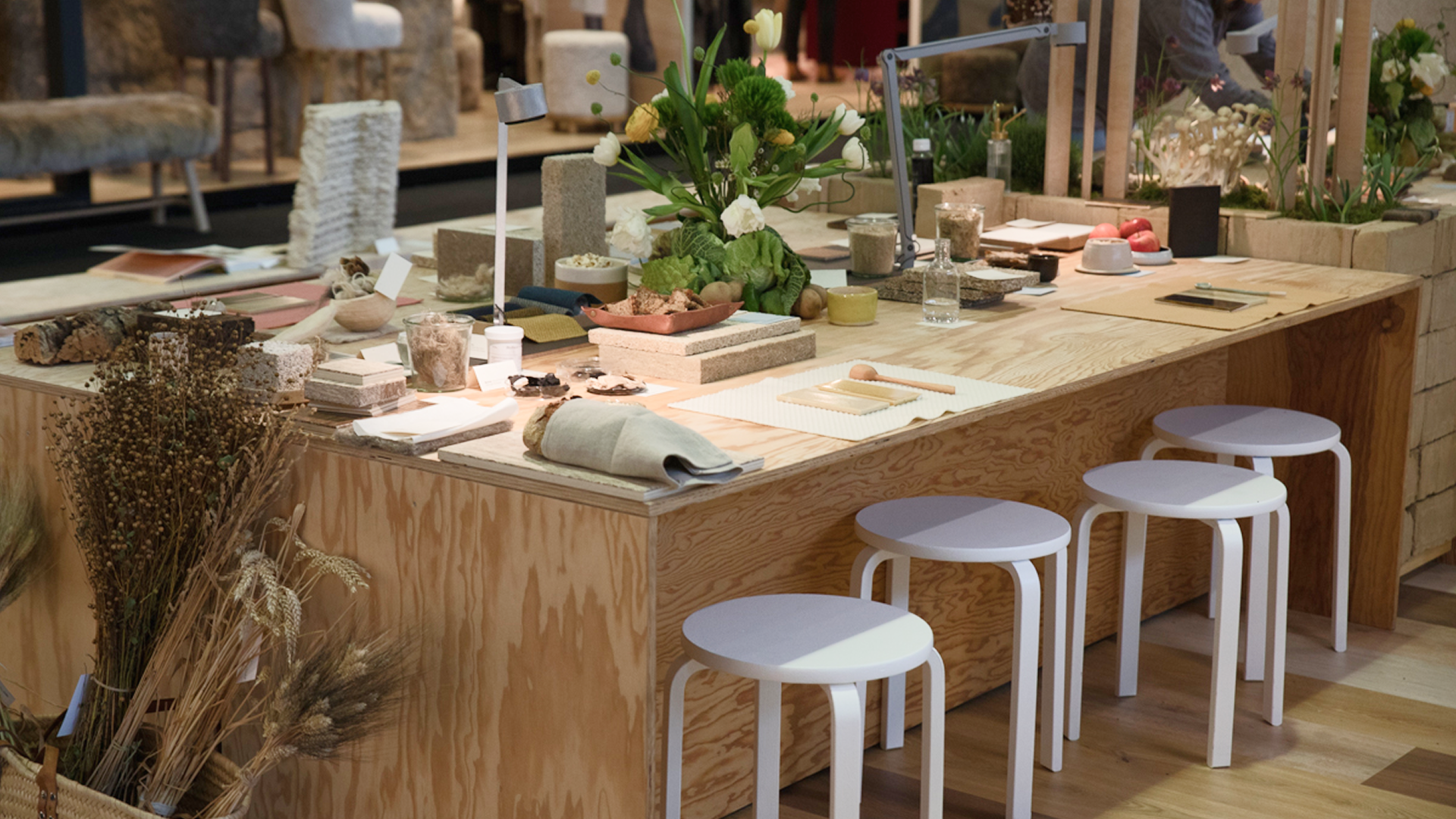
Support from Ambiente / Messe Frankfurt enabled HML EU to develop an immersive exhibition on the ingredients within bio - and geogenic building materials and their contributions to improved human and planetary health.
Presented through a richly set table, the installation invites visitors to encounter the botanical and mineral diversity available in nature and recognize currently available aesthetic, scaled examples.
-
As a major international platform for design and consumer goods, Ambiente creates an opportunity to bring material health into a broader conversation about how products are made, what they contain, and the systems of production behind them.

World Design Capital is a designation of the World Design Organization that recognizes cities and regions using design to advance social, cultural, economic, and environmental transformation. Frankfurt RheinMain holds the designation for 2026, with programming across the region examining how design can contribute to more resilient and equitable futures.
-
What Is It Made Of?
Frankfurt RheinMain, Germany
-
Funding through World Design Capital Frankfurt RheinMain 2026 supported HML EU in creating an interactive public exhibition focused on healthier, regenerative building materials and their role in shaping future-fit cities.
Centered around a communal Long Table, the exhibition brings material health, circularity, design, and craftsmanship into conversation through hands-on exploration, hosted discussions, and exchange.
-
World Design Capital uses design as a tool for democracy to address complex urban and societal challenges. What Is It Made Of? contributes to that ambition by making material systems visible and understandable to a broad public.
We’re reimagining urban spaces across Europe using non-toxic, biobased materials, working with local municipalities and communities, architects, universities, and research institutions.
Through collaborative projects with designers and manufacturers, we explore regenerative and circular materials that drive the bioeconomy and pave the way for a healthier, more sustainable future for construction.
-
![]()
Ukraine: Adaptive Reuse for Housing
In Kryvyi Rih, Ukraine, a Parsons student–faculty project is transforming eight existing buildings into social housing. Using locally available biogenic materials, the designs prioritize community rebuilding, thermal efficiency, and post-Soviet urban identity, while incorporating protected shelters and sustainable, low-carbon construction strategies.
Partners: Municipality of Kryvyi Rih, Neo-Eco Ukraine, Kharkiv University School of Architecture
-
![]()
Germany: What Is it Made Of?
An interactive exhibition, a funded World Design Capital Frankfurt RheinMain 2026 project, engages the general public to explore healthier, regenerative building materials and their role in shaping future-fit cities. Centered around a communal Long Table, the exhibition connects material health, circularity, design, and craftsmanship through hands-on discovery, hosted conversations, and exchange.
Partners: Silke Remmel (raumgesichte), World Design Capital
-
![A rustic wooden barn with snow covering the ground and surrounding area, set against a backdrop of trees and neighboring buildings, under a partly cloudy sky.]()
Slovenia: Learning Center
In Trbovlje, Slovenia, we are renovating a 150-year-old barn to create a Materials Learning Center - a hub for sustainable development and non-toxic construction. The project preserves historic character while providing workshops and training to advance healthier, low-carbon building practices and foster environmental and social renewal.
Partners: Non-Tox Uni Kum, JES Socialtecture
-
![People looking at used doors stacked against a building on a sidewalk.]()
Spain: Material Living Library
In Barcelona, Spain, we are collaborating to create a Material Living Library, an educational space for the adaptive reuse of materials. The project highlights biobased, non-toxic materials, community engagement, and hands-on learning, fostering sustainable design practices and empowering local residents and professionals to adopt regenerative construction strategies.
Partners: MAD Foundation, JES Socialtecture
-
![]()
Slovenia: Power Plant Adaptive Reuse
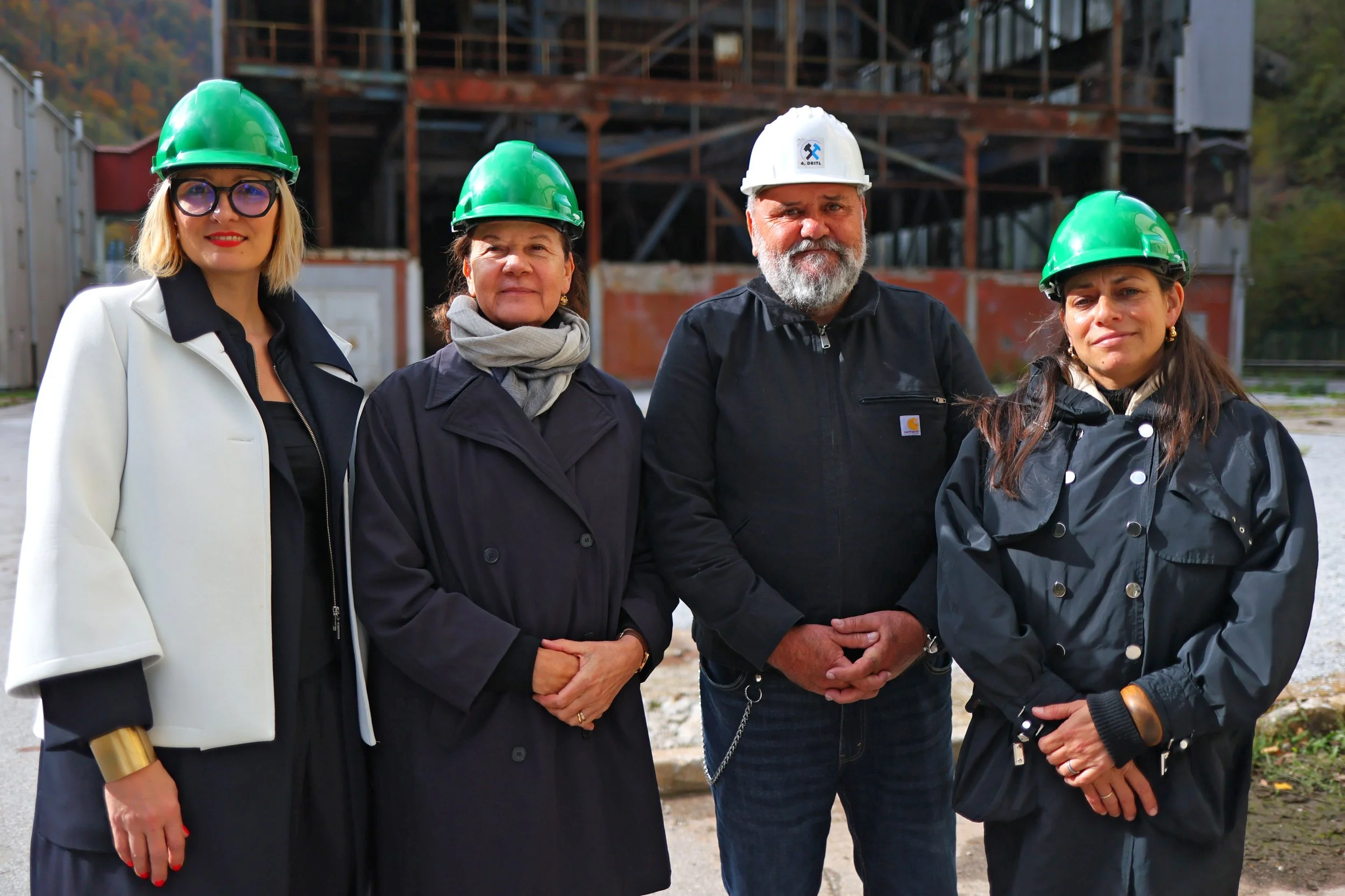
In Trbovlje, Slovenia, we are proposing new uses to transform the abandoned Thermal Power Plant (TET) into a site for architectural exploration and sustainable design. The project engages students and local stakeholders to explore adaptive reuse, low-carbon materials, and regenerative strategies, addressing toxic industrial legacies while imagining a healthier, more resilient built environment.
Partners: Non-Tox Uni Kum, Municipality of Trbovlje
-
![healthy materials non toxic for hospital design]()
Switzerland: Materials for Healthcare
In Switzerland, we are developing a Material Capsule Collection to guide hospital design, highlighting low-emission, non-toxic, biogenic, and regenerative materials. This resource will help designers and hospitals make informed choices that improve indoor air quality, patient recovery, and climate resilience, while setting a standard for healthier, more sustainable healthcare environments.
Partners: Swiss Center for Design and Health
-
![]()
Slovenia: The Healthy Public Living Room
In Trbovlje, Slovenia, the Healthy Public Living Room redefines public space through the lens of health. Created within the Trbovlje Library, it embodies the New European Bauhaus values of sustainability, inclusivity, and beauty - using natural materials like lime plaster and linoleum, and furnishings from real homes, all free from plastics and toxic chemicals.
Partners: Non-Tox Uni Kum, Trbovlje Library, Municipality of Trbovlje
-
![]()
Germany: At The Table with Nature
An immersive exhibition at ambiente 2026, the leading international consumer goods trade fair, highlights the ingredients within building materials, revealing their impacts on human and planetary health. This richly set table invites visitors to explore the botanical and mineral diversity that nature provides.
Partners: raumgesichte
-
![]()
Slovenia: From Tox to Resilience (TOX2RES)
A climate resilience initiative in Trbovlje, Slovenia, funded by Climate KIC, supports the post-industrial municipality in developing an integrated strategy for a healthier, more resilient future. Through research, climate risk mapping, community engagement, healthier materials assessment, and New European Bauhaus principles, TOX2RES - part of a cohort of 60+ municipalities - connects climate adaptation with spatial justice and community- building, circularity, and long-term municipal investment.
Partners: Municipality of Trbovlje, Avenia-M, Non Tox Uni Kum, Pathways2Resilience, Climate KIC




These projects are made possible through collaboration with a diverse network of partners - ranging from research institutions and universities to municipal leaders, architects, designers, and educators - who share our commitment to healthier, regenerative, and biobased building practices across Europe.
●
JES Socialtecture
●
Kharkiv University School of Architecture
●
MAD Foundation
●
Neo-Eco Ukraine
●
Non-Tox Uni Kum
●
Municipality of Kryvyi Rih, Ukraine
●
Municipality of Trbovlje, Slovenia
●
Parsons School of Design
●
Swiss Center for Design and Health
●
raumgesichte
● JES Socialtecture ● Kharkiv University School of Architecture ● MAD Foundation ● Neo-Eco Ukraine ● Non-Tox Uni Kum ● Municipality of Kryvyi Rih, Ukraine ● Municipality of Trbovlje, Slovenia ● Parsons School of Design ● Swiss Center for Design and Health ● raumgesichte

Global Material Collections for Healthier Design
Created by Parsons Healthy Materials Lab in collaboration with HML EU, our Material Collections feature products available across Europe, North America, and beyond - each vetted for transparency, performance, and human health.
Online Courses for a Healthier Built Environment
-

Certification Program for Healthy Building
Learn from 33+ global experts, earn 8 AIA + 8 IDCEC HSW credits, and gain practical strategies to reduce toxic exposures and advance a healthier, more sustainable built environment.
-

Embodied Carbon + Chemical Risks
Understand why the most carbon-heavy materials often bring the greatest chemical risks, and equip yourself with tools to design projects that are cleaner, safer, and climate-resilient.
-

Foundational Healthy Design Strategies
Learn how everyday material choices shape health, air quality, and carbon impacts - and gain strategies to design projects that are non-toxic, equitable, and circular from the start.
-
Healthier + Low Carbon Interior Paints
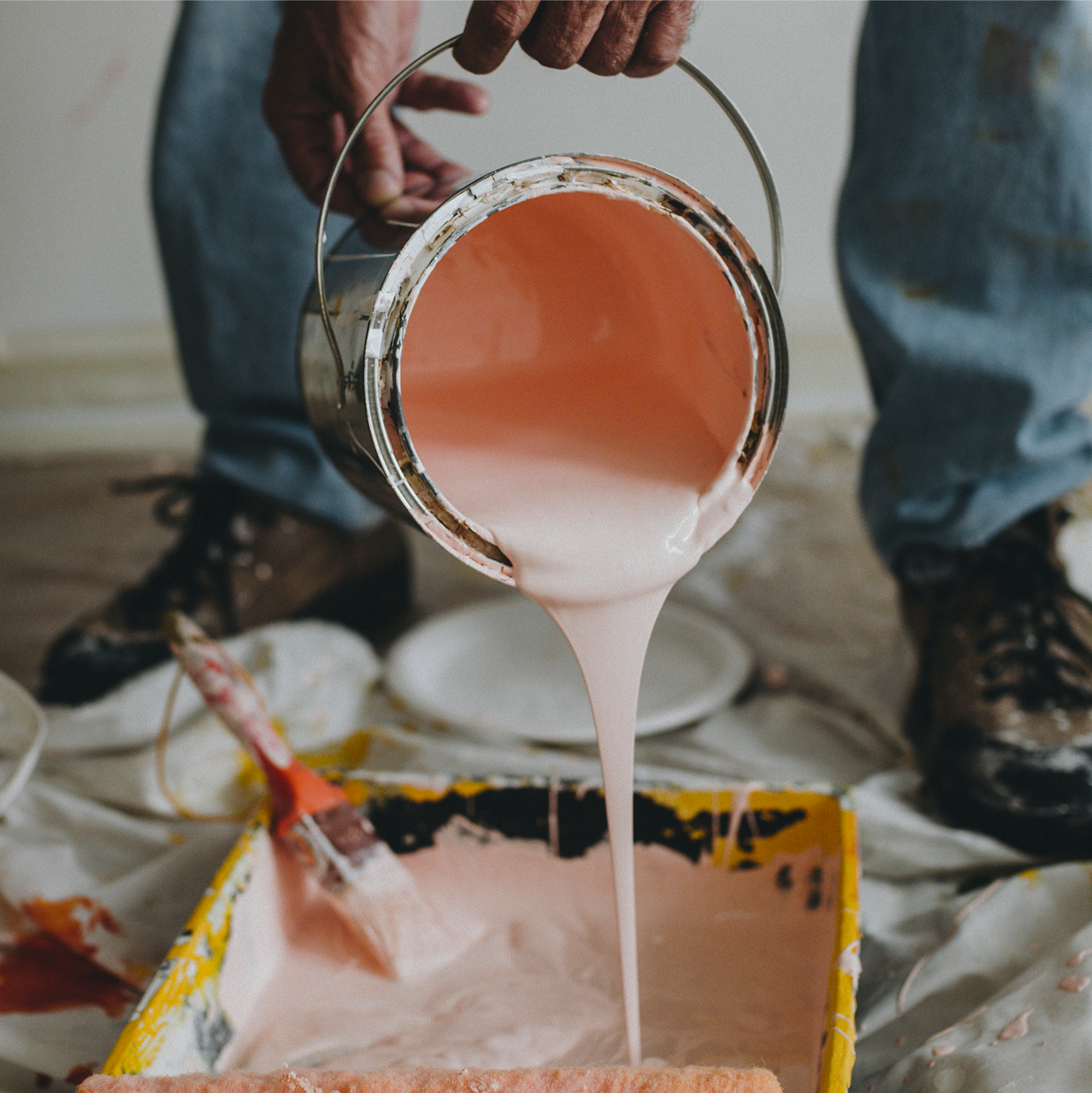
Learn how conventional paints pollute air and ecosystems, why VOC labels don’t tell the full story, and how to design safer, low-carbon spaces with mineral and plant-based paints.
Courses are created by Parsons Healthy Materials Lab and in collaboration with HML EU, informed by over a decade of research, real-world practice, and insights from experts across disciplines.

Let’s Work Together
Whether you’re a municipality seeking healthier renovation practices, an architect exploring biobased and regenerative materials, or a research institution driving innovation in the bioeconomy, HML EU partners with changemakers across Europe to turn ideas into action.